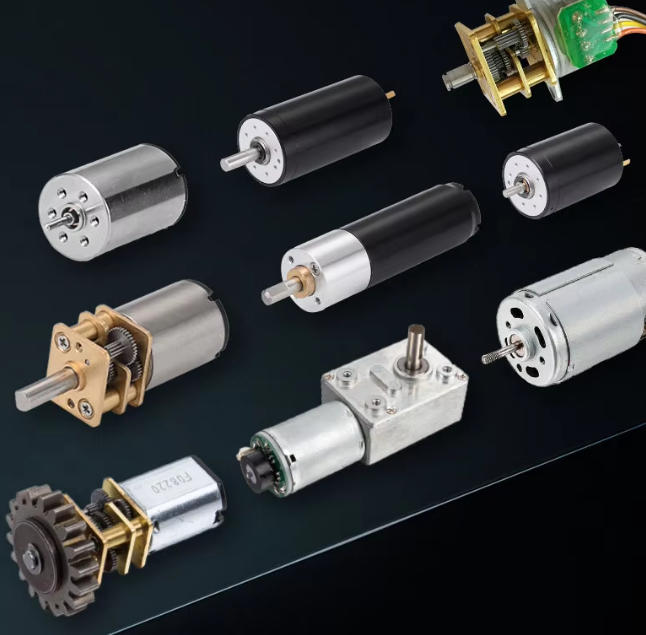
How to Choose a Planetary Geared Motor
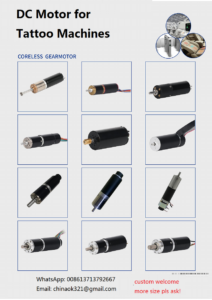
Planetary geared motors are among the most widely used industrial drive systems today. Depending on specific engineering performance standards, planetary geared motors can be categorized into various configurations based on precision, load capacity, and size.
Choosing the right planetary geared motor requires a balanced look at key mechanical parameters. Let’s explore the essential selection criteria together with Coreless Motor.
Technical Tips for Selecting a Planetary Geared Motor
1. Rated Speed Regulation
This parameter refers to the motor’s nominal rated speed. It directly dictates the optimal gear ratio selection when configuring a precision planetary gearbox.
- The Selection Strategy: Engineers should aim to select a gear ratio that allows the motor to operate as close to its nominal rated speed as possible. Operating near the rated speed significantly improves rotational stability and optimizes overall system efficiency.
2. Input Power Calculation
Power output directly reflects the motor’s workload efficiency under load. To determine the exact required motor power, use the standard engineering calculation sequence:
- Identify Variables: Determine the actual torque required for the precision planetary gearbox (Tr2), the motor’s targeted output speed (n2), and the mechanical efficiency (η, found in your gearbox technical specification table).
- Calculate Input Power: Compute the required input power for the gearbox (Pr1) using your system formulas.
- Selection Rule: Select an appropriate motor from the catalog matching the condition: Pn ≥ Pr1 (Where Pn is the Motor Rated Power).

3. Gear Ratio Configuration
Once the mechanical reduction ratio is set, multiply the rated torque of your chosen servo motor by that gear ratio.
- The Limit Rule: In principle, this calculated value must be strictly less than the rated output torque of the corresponding gearbox specified in the product catalog.
- Safety Factors: Always account for the overload capacity of your drive motor alongside the peak operating torque required during real-world acceleration phases.
4. Output Torque Capacity
Torque reflects the direct loading capacity of the motor. Under identical power constraints, torque and rotational speed operate inversely: higher torque inherently means a lower output speed.
Safety Margin: To prevent premature gear fatigue, the maximum required operating torque during peak cycles should remain below 2 times the gearbox’s rated output torque.
5. Torsional Backlash (Precision)
Backlash defines the angular play of the output shaft when the input is fixed.
- The Trade-Off: The smaller the backlash, the higher the positioning precision—however, this manufacturing tolerance increases production costs. Users should select a specialized gearbox series that cleanly aligns with their actual precision requirements without over-specifying.
Contact Our Technical Support Team
If you need custom configurations, detailed engineering catalog sheets, or info on high-precision coreless motors, contact our engineering group:
- Email: chinaok321@gmail.com
- WhatsApp / WeChat / Mobile: +86 13713792667
- Websites:
www.coreless-motor.com |
www.hollowcupmotor.com
Custom for your drawing/specification/parameters, welcome too.
Email: chinaok321@gmail.com ( 24Hrs reply)
WeChat/Mob: 8613713792667